Every person in Saskatchewan depends on water management daily. In agriculture, water drainage is the intentional movement or removal of excess water from agricultural lands to prevent it from negatively impacting crops, soil, the environment or field operations.
Responsible Drainage Is More Than Moving Water
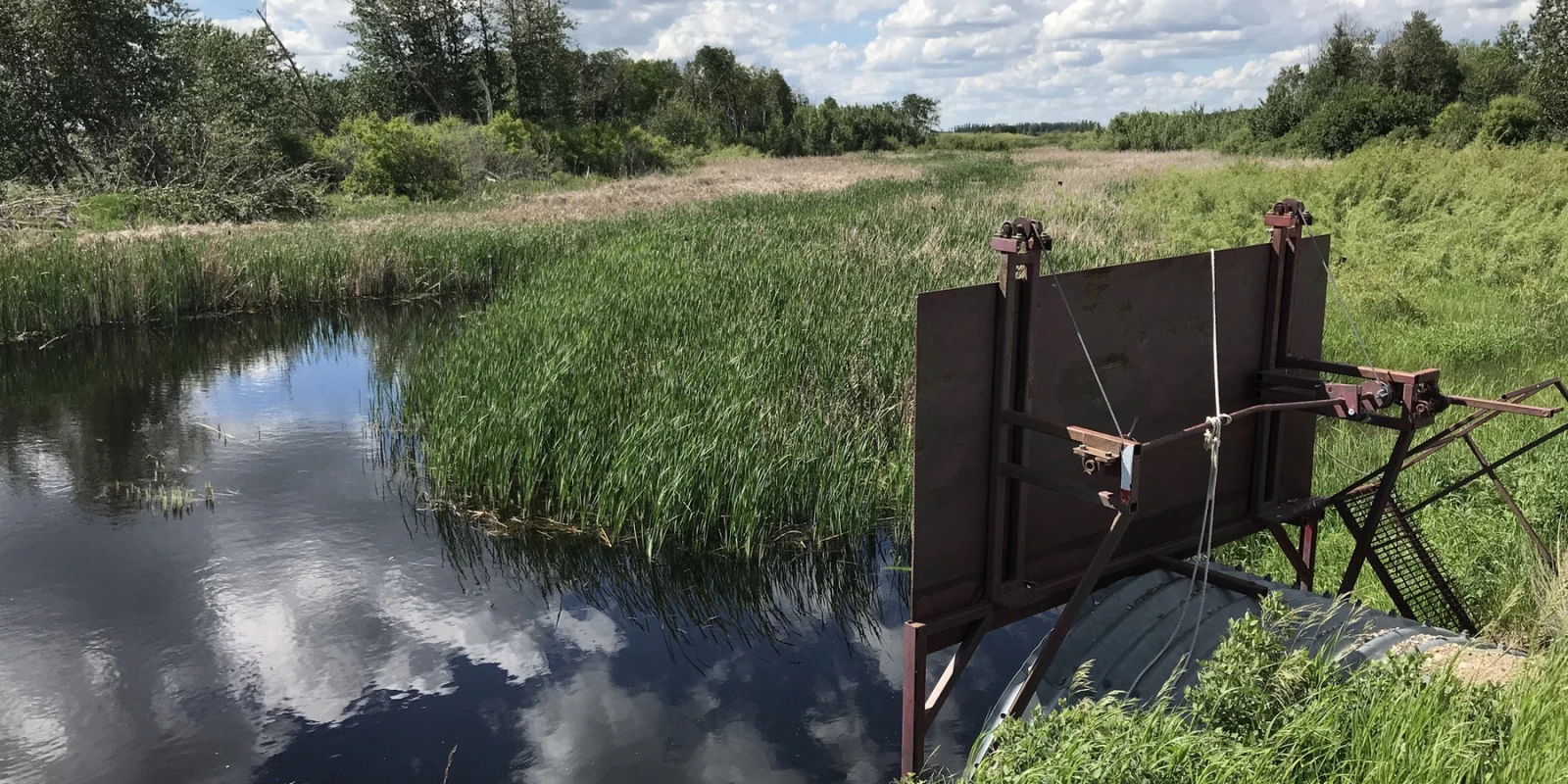
Drainage is the planned movement, storage, control, and release of excess water across agricultural landscapes. It may include surface drainage, subsurface tile, consolidation areas, controlled outlets, flow controls, retention features, erosion protection, and coordination among landowners, municipalities, engineers, contractors, and regulators.
The right approach depends on the field, soil, topography, outlet, watershed, weather, neighbouring lands, and intended outcome. There is no single drainage design or beneficial management practice that applies everywhere.
The SK DEN Drainage Hub is being developed to help people understand these systems, explore practical options, and connect Saskatchewan-based research, technical knowledge, regulatory information, and real-world field experience.
Water is one of the most powerful forces shaping Saskatchewan agriculture.
Responsible drainage management improves how water moves through working agricultural landscapes. When properly designed and managed, drainage can:
- Improve soil health and field efficiency
- Reduce salinity and crop stress
- Improve nutrient and water use efficiency
- Reduce crop loss and input waste
- Support stronger root systems and healthier crops
- Reduce overlap, compaction, fuel use, and emissions
- Reduce overland flooding and nutrient washouts
- Help maintain productive agricultural acres
- Support long-term watershed resilience
Responsible water management also helps ensure semi-permanent and permanent wetlands can remain intact and functional within the broader landscape. But unmanaged, excess water can reduce productivity, damage soils, increase environmental risk, and create long-term challenges within watersheds and communities.
When managed responsibly, water becomes one of Saskatchewan agriculture’s greatest opportunities.
When unmanaged, excess water can affect soil health, crop productivity, field operations, infrastructure, neighbouring lands, and the wider watershed. When properly planned and managed, drainage becomes a practical tool for improving field efficiency, reducing risk, and supporting stronger agronomic and environmental outcomes.
What’s Ahead for the Drainage Hub
A Growing Saskatchewan Drainage Resource
The Drainage Hub is being built as a practical, evolving source of information for producers, contractors, agronomists, researchers, municipalities, students, policy-makers, and anyone seeking to better understand agricultural drainage in Saskatchewan.
Building Momentum
The SK DEN Drainage Hub is growing alongside Saskatchewan’s agricultural water knowledge. New technical resources, research findings, beneficial management practices, field examples, partner contributions, and practical tools will be added as they are developed and reviewed.
Future content will include:
- Understanding Drainage
Fundamentals, terminology, and water movement. - Plan & Design
Surface, tile, outlets, grades, controls, and erosion protection. - Apply BMPs
Practical practices suited to Saskatchewan farming systems. - Navigate Approvals
Current regulatory information and Water Security Agency links. Regulatory Links - WSA - Drainage - Explore Field Efficiency
Agronomic, economic, equipment, and environmental outcomes. - Follow the Research
Saskatchewan projects, demonstrations, data, and findings. - Use Technical Resources
Diagrams, checklists, videos, publications, and FAQs. - Ask, Share & Contribute
Submit a question, resource, case example, or project.
Have a drainage question we should address? Working on a project or resource that belongs here?
The AG Zone & AG Eco Zone
Saskatchewan agriculture depends on maintaining a balance between:
- the AG Zone (productive food-producing acres)
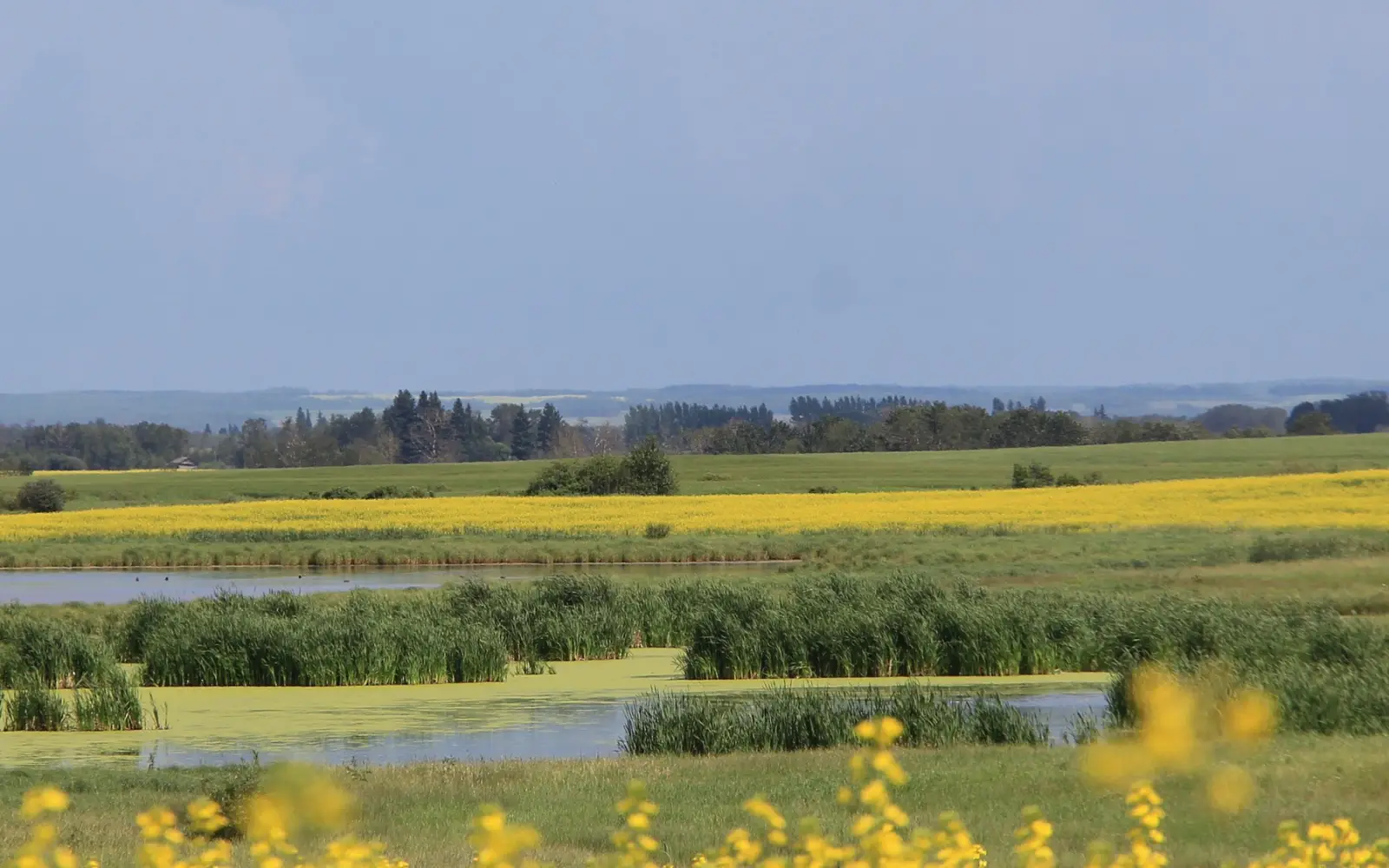
- and the AG Eco Zone (permanent and semi-permanent water systems, habitat, biodiversity, and ecological function).
Responsible water management helps support both.
The goal is not to eliminate water from the landscape. The goal is to manage temporary and seasonal excess water within productive agricultural acres while protecting important ecological systems across the broader landscape.
Different water systems serve different functions, create different impacts, and require different management approaches.
Managing Water Within the AG Zone
Temporary and seasonal water within productive crop acres can create significant agronomic, environmental, and economic challenges when left unmanaged.
Unmanaged excess water can:
- Cause crop death within 24–48 hours during the growing season
- Affect acres 2–3 times larger than the visible water boundary
- Increase salinity risk and degrade soil structure
- Reduce microbial activity and nutrient efficiency
- Increase weed pressure and herbicide resistance
- Reduce equipment efficiency and increase overlap, compaction, fuel use, and crop input waste
- Contribute to nutrient movement and overland flooding
Over time, unmanaged excess water can turn productive land into marginal acres and increase vulnerability within watersheds and communities.

Learn More
Join the Conversation
Agricultural water management is a complex and evolving factor, deeply connected to Saskatchewan’s future.
Have a question?
Want to contribute knowledge, research, experience, or ideas?
Interested in collaboration or partnership opportunities?